What Plumbers Look for During an Emergency Sewer Inspection
A sewer backup can turn any normal day into a bad one fast. You need answers before wastewater spreads through the space or shuts down your home or business. That’s why knowing what sewer specialists look for during an emergency sewer inspection is handy. With the right information, your plumbing will be back in working order much quicker than it otherwise would.
The First Warning Signs
Sewer and drain specialists start by asking what you noticed first. Your answer helps narrow the problem before any equipment goes into the line. A backup in one fixture points them in a different direction than trouble across several drains. Additionally, the timing of the problem may reveal whether the issue came on suddenly or built up over time.
They also look at where the symptoms appear. A basement floor drain that backs up during heavy use may suggest a main line problem. A toilet that gurgles when another fixture drains may point to trapped air in the system. Therefore, those early clues help guide the inspection instead of turning it into guesswork.
The Drain Access Point
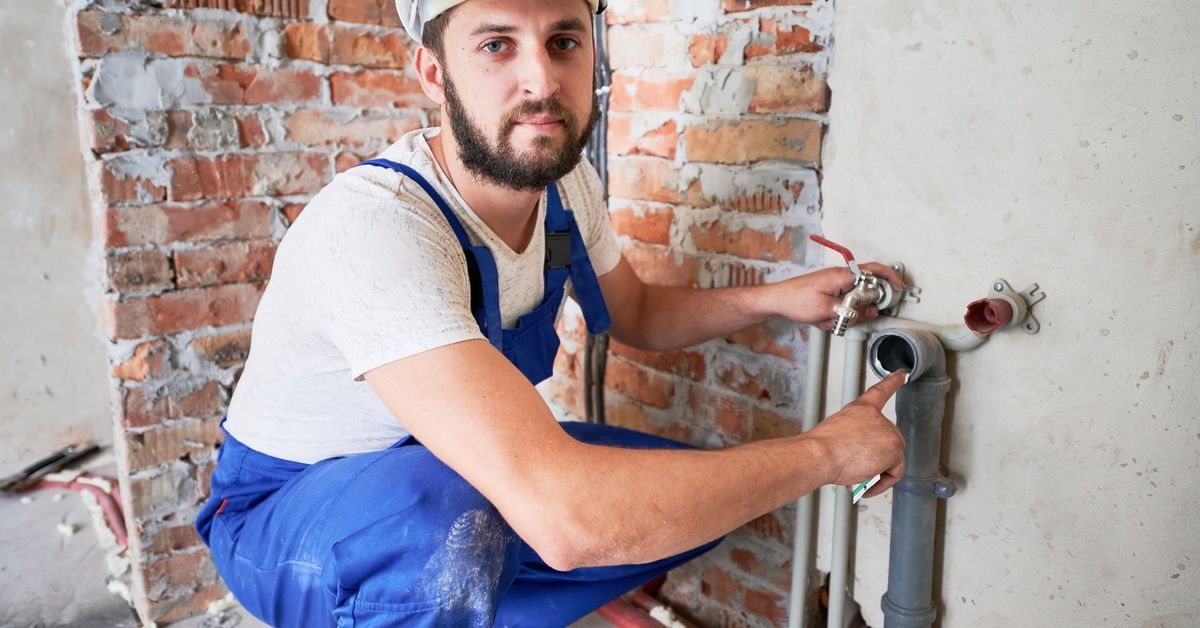
Next, the specialist looks for a safe and useful access point. Cleanouts give the camera and cable a direct path into the sewer line. When a cleanout is available, the inspection usually moves faster because the equipment doesn’t need to pass through a fixture. If access is limited, the specialist may choose another entry point that still protects your drains.
This step also helps them avoid unnecessary disruption. You don’t want someone pulling apart fixtures unless there’s a clear reason. A good access point lets the specialist inspect the line while keeping the work focused. On a related note, access can affect how clearly the camera shows the inside of the pipe.
Blockages Inside the Line
After the camera enters the line, the specialist watches for anything that slows or stops flow. Grease buildup may cling to the pipe walls and shrink the open space inside. Wipes or paper products may collect in one area and form a stubborn mass. Tree roots may also enter through small openings and catch debris as wastewater moves past.
This is where sewer line camera inspections become really useful. The small, waterproof camera shows the inside of the sewer line in real time, so you don’t have to rely on guesswork about what’s underground or behind walls. During these inspections, the camera helps determine whether the problem appears to be a soft clog or a root intrusion. It may also reveal a harder obstruction that requires a different response.
Pipe Damage and Shifting
A blockage isn’t always the only concern. The specialist also checks each visible pipe section for cracks. They watch for separated joints and crushed areas as the camera moves through the line. These problems may trap waste and cause repeat backups even after a clog gets cleared. Moreover, damaged areas may require a fix beyond a simple drain cleaning.
Something else plumbers look for here during an emergency inspection is excessive pipe movement. Soil movement may stress the pipe over time, but heavy traffic above the line may also exert pressure on buried pipe sections. Outside of that, nearby roots could add more stress when they grow around weak spots. The camera helps show dips in the line where waste and water settle instead of moving through cleanly.
Water Flow Problems
The specialist also watches how water moves through the line. Slow movement may indicate a partial obstruction in the pipe, while standing water inside the pipe may hide cracks or debris, so the specialist may recommend clearing the line before reviewing it again. Therefore, flow helps them decide whether the problem affects one area or a larger stretch of pipe.
You may also hear them talk about the line’s grade. Grade refers to the slope that helps wastewater move away from the building. If the slope has changed, waste may linger and create repeat stoppages. A camera inspection helps reveal those trouble spots without digging up the whole line first.
Location and Depth
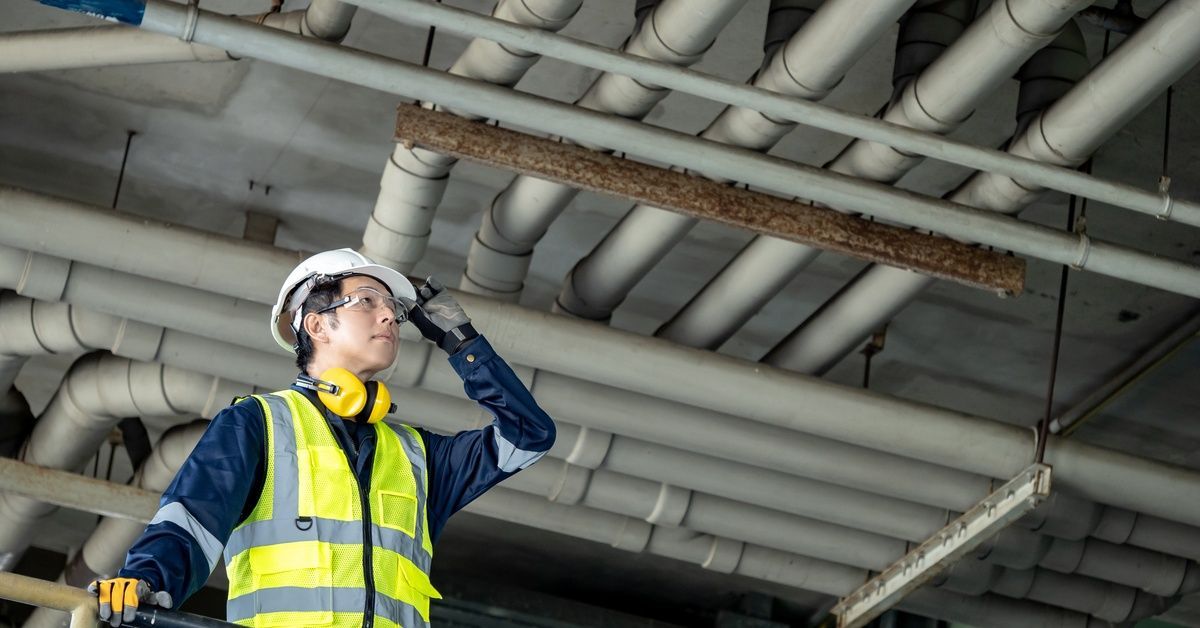
Once the camera finds a concern, the specialist may use line-locating equipment to identify where that concern sits. This step helps connect what appears on the screen with a real spot on the property. You get a clearer picture of whether the issue sits near the building or farther out in the yard. Additionally, location helps shape the next step.
Depth also plays a role in planning. A shallow issue may involve a different approach than a deep section under a driveway. A deep section below a commercial floor may call for a more involved plan. The inspection doesn’t automatically mean major work will follow. Instead, it gives you better information before anyone recommends cleaning or repair.
Signs of Repeat Trouble
An emergency inspection also looks for clues that this wasn’t a one-time problem. Heavy buildup along the walls may suggest the line has struggled for a while. Roots in the same area as a cracked joint may explain why clogs return after temporary clearing. Additionally, a sag in the pipe may continue to collect waste, no matter how many times the line is opened.
This part of the inspection helps you avoid treating symptoms only. A quick clearing may restore flow for the moment, but it won’t solve every underlying issue. When you know what caused the backup, you can choose the next step with fewer surprises. That information helps protect your home or business from the same emergency repeating soon after.
What Happens Next
After the inspection, the specialist should explain what they saw in plain language. You should hear where the problem sits before discussing what likely caused it. Then you should hear which options make sense based on the camera findings. Camera footage or images may also help you see the concern for yourself. That level of detail makes the situation easier to understand during a stressful moment.
The next step may involve snaking. In some cases, the specialist may recommend hydro jetting. Line locating may help when the trouble spot needs a precise location. Either way, a repair recommendation may follow if the camera shows a damaged pipe. The right choice depends on what the inspection finds inside the line.
You might also like
Blog