Dos and Don’ts for Better HVAC Performance
When people think about the performance of their HVAC, the only real concern they have is whether or not it’s working. While this is important, one of these systems can be working but not performing well. This will lead to inconsistent performance and, eventually, a malfunction that could take the whole thing offline.
To avoid this type of scenario, you need to understand the dos and don’ts that can help improve HVAC performance. As long as you follow these suggestions precisely, you shouldn’t run into nearly as many large-scale issues.
DO Watch Runtime Patterns
First off, you should pay attention to how long the system runs and whether that pattern changes under similar weather conditions. A longer cycle isn’t automatically a problem, especially during periods of extreme heat or cold, but a noticeable shift can point to restricted airflow or declining performance.
Compare the current operation to what’s normal for your home rather than judging each cycle in isolation. If the system suddenly runs much longer than usual, starts and stops more frequently, or struggles to reach the set temperature, the change deserves attention.
Runtime patterns can also help you separate temporary strain from a developing issue. A demanding afternoon may explain one long cycle, while repeated changes over several days may suggest the need for a filter check or a professional evaluation.
DON’T Chase Faster Results
Lowering the cooling target far below your preferred temperature usually won’t make the system cool the home faster. In many systems, the thermostat simply keeps calling for cooling until the selected target is reached. The more extreme setting can lead to extra runtime if you forget to restore it.
The same principle applies during the heating season. A dramatic increase may extend the cycle without improving the rate at which conditioned air reaches the rooms. Choose the temperature you actually want, then give the system time to respond before making another adjustment.
Frequent thermostat changes can also hide the real issue. Slow recovery may reflect restricted airflow or unusual outdoor conditions. It can also signal a system that needs attention.
DO Protect Airflow
HVAC systems depend on steady airflow across their internal components and through the duct system. That means furniture that blocks a return grille can reduce that flow even when all supply registers remain open. In these cases, a shifted sofa or a stack of storage boxes may deserve more attention than it usually gets.
Keep returns unobstructed and make sure supply vents have enough room to distribute air into the space. Curtains shouldn’t rest over floor registers, and rugs shouldn’t cover them. These changes don’t require technical work, but they help the system operate under the conditions for which it was designed.
Pay attention to doors as well. A closed room without an adequate return path may develop pressure differences that limit circulation. When a room never seems to match the rest of the home, airflow should be part of the investigation.
DON’T Close Too Many Vents
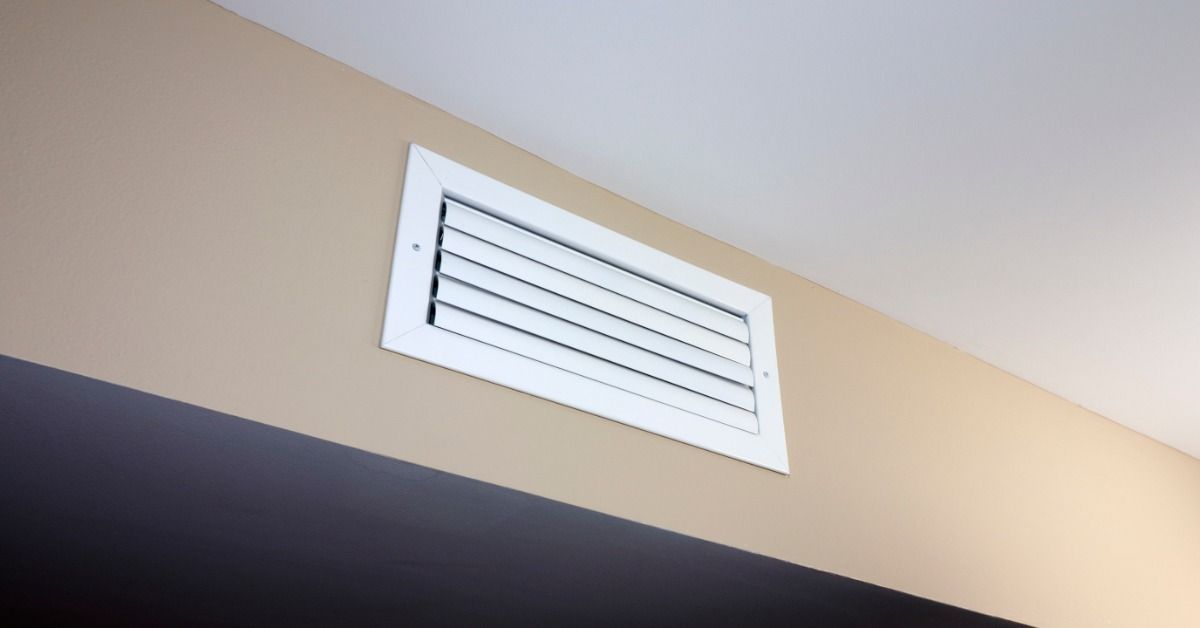
Closing a vent in an unused room may seem like an easy way to redirect conditioned air. While a few minor adjustments may not create an obvious problem, closing too many registers can raise pressure in the duct system. That pressure can reduce airflow and place additional strain on the blower.
Zoning works differently because a properly designed zoned system controls airflow with equipment that accounts for changing demand. Randomly shutting registers doesn’t create the same result. It changes the system without altering its underlying design.
If one area receives too much air while another receives too little, treat that imbalance as a distribution issue. Register position may play a role, but duct condition and return placement may matter more. A deliberate evaluation will provide better answers than trial-and-error vent closures.
DO Choose Filters Carefully
A clean filter supports airflow and helps protect internal components from airborne debris. Replacement timing depends on the filter type as well as household conditions. A home with pets may need more frequent checks than a lightly occupied home with limited dust.
Don’t assume the most restrictive filter is automatically the best choice, either. Higher-efficiency media can improve particle capture, yet some systems can’t handle the added resistance without a properly sized filter cabinet. Use the recommended rating for the equipment, or ask a qualified technician whether an upgrade is appropriate.
Check the filter regularly instead of relying only on a fixed calendar date. A filter may load faster during renovation work or heavy seasonal use. Visual inspection gives you a better basis for deciding when replacement is due.
DON’T Ignore Outdoor Equipment
Your outdoor unit needs plenty of open space to move air through the coil. Leaves can collect against the cabinet, while shrubs may grow into the clearance zone over time. Either condition can interfere with heat transfer and make the system work harder.
Keep the surrounding area clear without placing tools or hard objects against the coil. The fins can bend easily, so aggressive cleaning methods can create more harm than benefit. Shut the system off before removing loose surface debris, and leave deeper cleaning to a trained professional.
Also watch for changes in the unit’s sound or vibration. A new rattle may come from a loose panel, but it can also signal a mechanical issue that deserves prompt attention. Early evaluation is usually more useful than waiting for a complete loss of comfort.
DO Use Fan Settings Intentionally
For many homes, the “auto” fan setting is the ideal choice since it only runs the blower during a heating or cooling cycle. That approach helps reduce unnecessary fan runtime and limits the chance that moisture on the cooling coil will be pushed back into the home after the compressor stops.
Sometimes, though, the “on” setting can improve air circulation much more efficiently, especially when temperatures vary between floors. However, continuous operation uses more electricity and may not solve the underlying imbalance. It can also make indoor humidity control more difficult during the cooling season in certain systems.
That means you should only use continuous fan operation when it addresses a specific comfort goal, not because it sounds more efficient. If circulation remains poor, the cause may involve duct design or equipment setup.
DON’T Delay Professional Attention
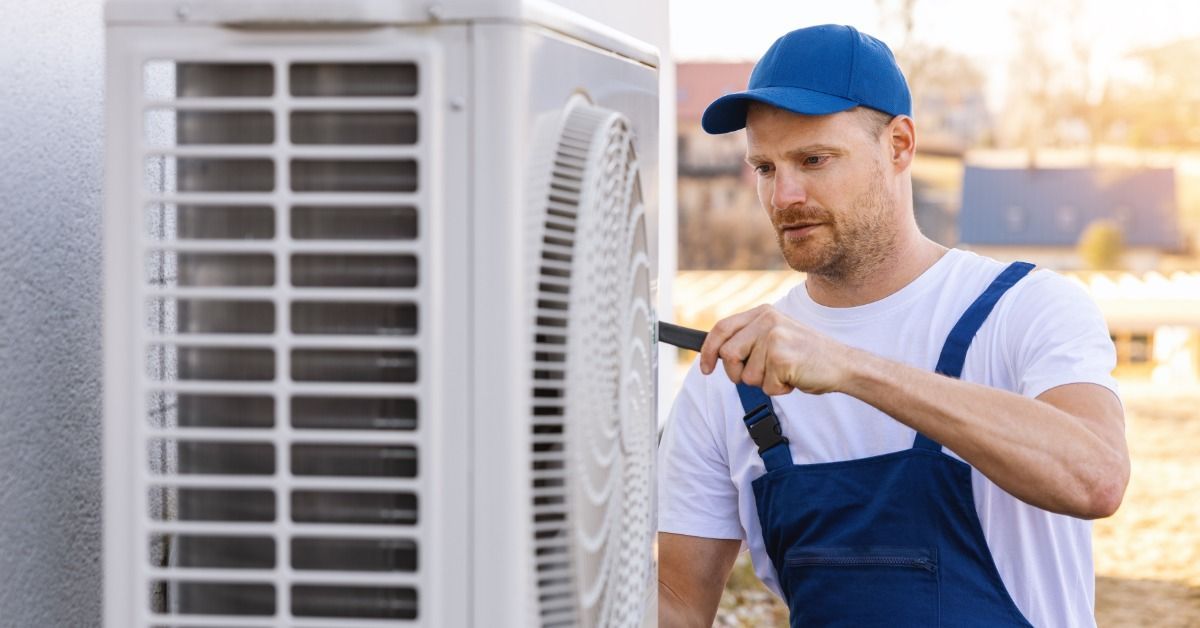
One of the most valuable ways to help boost HVAC performance is through routine service. That’s because this will give technicians the chance to check operating conditions before peak demand exposes a weakness. Scheduling before the hottest or coldest part of the year also gives you more room to address a developing issue without making an emergency decision.
Professional heating and cooling services are especially important when performance changes without an obvious household cause. Longer cycles can matter, and uneven temperatures may provide another clue. Unexpected odors or repeated breaker trips call for prompt evaluation rather than continued adjustment.
No matter what, though, avoid opening electrical compartments or attempting refrigerant work yourself. Those systems require proper training and tools, and mistakes can damage equipment or pose a safety hazard. Once basic checks no longer explain the problem, stop experimenting and arrange a qualified inspection.
You might also like
Blog