Ways To Improve Sewer System Performance
A sewer line usually doesn’t fail all at once. Instead, you start noticing small changes. Maybe a sink drains a little slower than usual. Sometimes, you even see water backing up where it never used to.
When you understand the main ways to improve sewer system performance, you give yourself a real advantage. You can step in early, before a minor inconvenience turns into a costly and disruptive repair. Some improvements come from simple daily habits, while others require professional tools and trained evaluation.
Keep Problem Materials Out of Drains
If you want your sewer system to perform well, start with what you send into it. Your drains are built for wastewater, not for everything you might be tempted to rinse away.
Grease is one of the most common troublemakers. When it’s hot, it flows easily. Once it cools, it hardens along pipe walls. Over time, that hardened layer traps other debris and slowly narrows the passage. Even if something seems “flushable” or “washable,” it may not behave that way inside your sewer line.
Try to keep these out of your drains:
- Cooking grease and oils
- Wipes and hygiene products
- Paper towels and cleaning cloths
- Food scraps and coffee grounds
- Paint or construction materials
- Excess hair and soap residue
Using strainers and disposing of waste properly won’t fix an existing blockage, but it does help you avoid creating new ones.
Pay Attention To Slow Drains Before They Spread
A slow drain might not seem like a big deal at first. You might even get used to it! But that’s often how larger sewer issues begin. When one drain slows down, it may point to a localized clog. When several drains slow down at the same time, you’re likely dealing with something deeper in the system.
Instead of treating each symptom separately, look for patterns. For example, if your toilet bubbles when you run a sink, that’s your system telling you air and water aren’t moving the way they should. If water rises in a shower when another fixture runs, you’re likely dealing with a restriction in the main line.
You might feel tempted to keep clearing the same drain over and over. That can offer short-term relief, but it rarely solves the root issue. A professional evaluation helps you understand whether you’re dealing with a surface clog or something deeper in the sewer line.
Use Sewer Camera Inspections to See What’s Really Happening
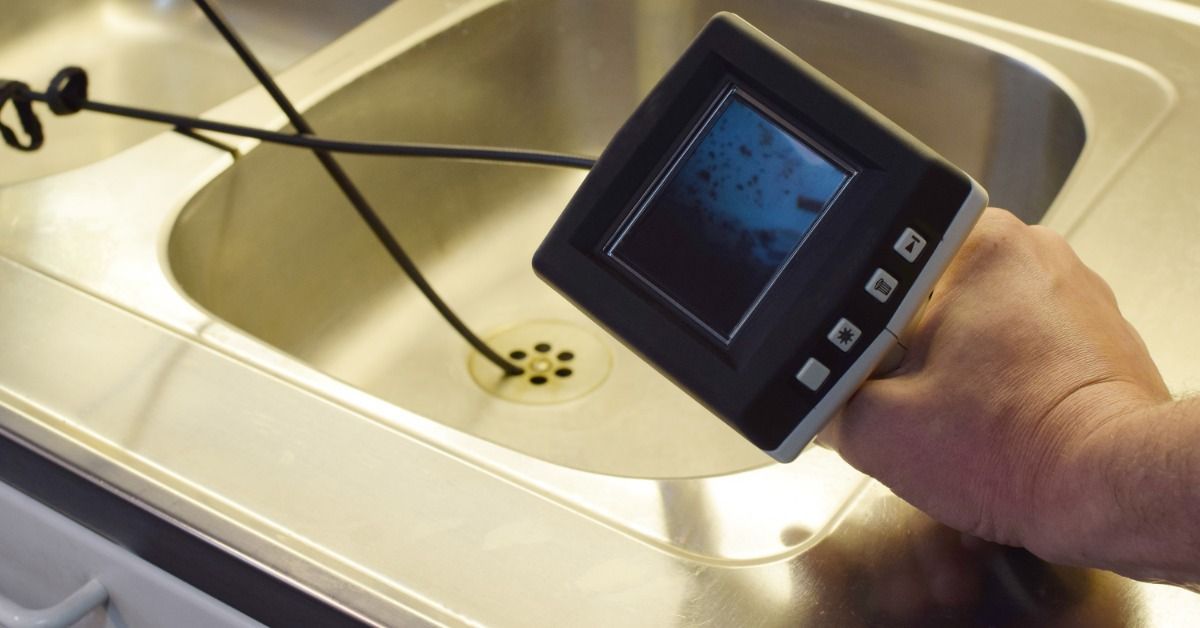
You can’t fix what you can’t see. That’s why sewer camera inspections are so valuable when you’re trying to improve system performance. A small camera travels through your sewer line and shows exactly what’s going on inside. Instead of guessing, you get a clear view of buildup, cracks, or collapsed sections.
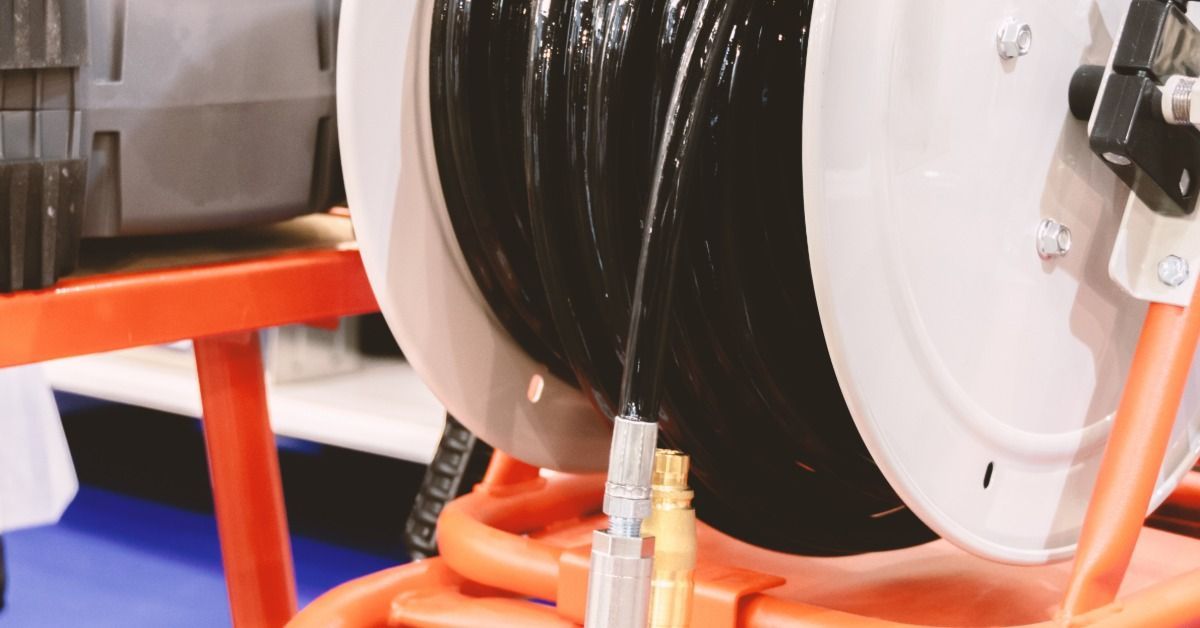
Our service approach at Belfiore Home Services includes camera inspections along with cleaning methods like hydro jetting and drain snaking, which are commonly used to restore proper flow in residential systems. An inspection doesn’t just confirm a problem. It helps you choose the right solution. Sometimes a cleaning is enough. Other times, you may need a more targeted repair approach.
Choose the Right Cleaning Method for the Problem
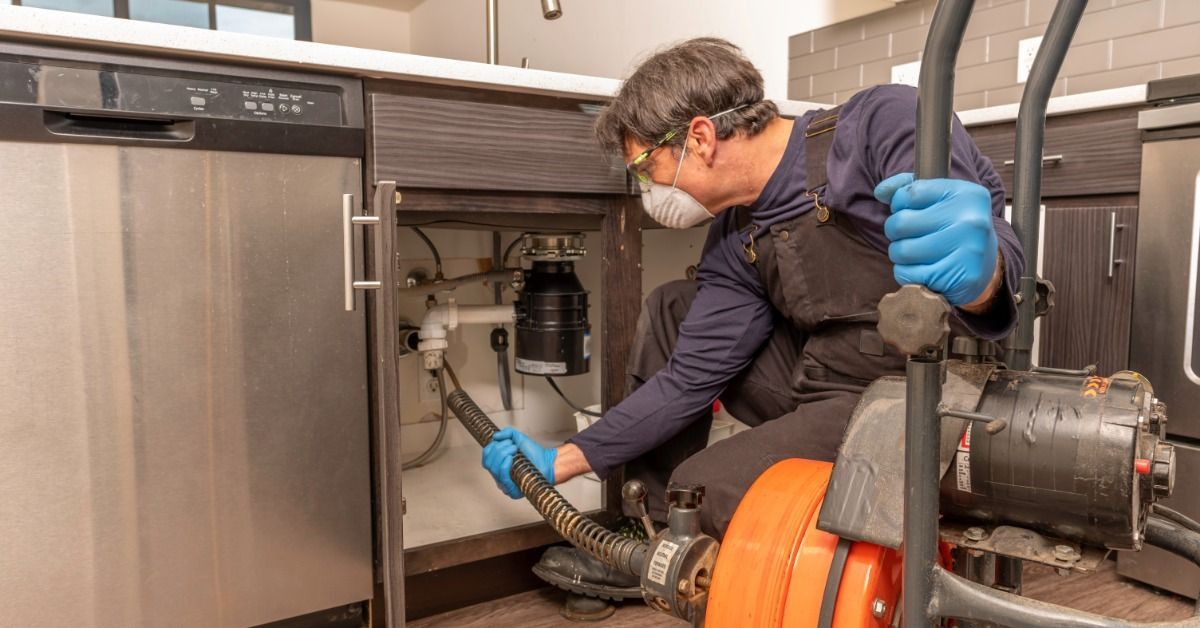
Not every sewer issue comes from the same source, so it doesn’t make sense to treat every blockage the same way. When you’re dealing with a localized clog, drain snaking can often break through or retrieve the obstruction. It’s a direct method that restores flow in many common situations.
When buildup coats the inside of the pipe, hydro jetting may be more effective. This method uses high-pressure water to clear grease and debris from the pipe walls, helping restore full capacity.
That’s where professional evaluation matters. When the right method is used, you don’t just clear a blockage; you restore performance in a way that lasts longer.
Protect Your Sewer Line From Root Intrusion
Tree roots are one of the most persistent threats to sewer performance. They naturally grow toward moisture, and even a small crack in a pipe can attract them. Once roots find their way inside, they expand and spread. As they grow, they trap debris and restrict flow. Over time, they can create serious blockages or even damage the pipe itself.
You might clear the immediate clog, but if the entry point remains open, the problem often returns. A camera inspection helps you understand where roots are entering and how much damage has occurred. From there, you can decide whether cleaning alone is enough or if structural repair is needed.
Avoid Overloading the System
Your sewer system handles a steady flow of wastewater throughout the day. Problems often show up when that flow becomes too heavy too quickly. Running multiple water-heavy appliances at the same time can strain a system that already has buildup or partial blockage. You might notice slow drainage or temporary backups when this happens.
Spacing out water use can help reduce pressure, but it won’t fix an underlying issue. If your system struggles during normal household activity, that’s a sign something deeper needs attention.
Watch for Outdoor Warning Signs
Not all sewer problems start inside your home. Sometimes, your yard gives you the first clue. If you notice a patch of grass that grows faster or looks greener than the surrounding area, it may be reacting to moisture below the surface. Soft or damp soil in a specific location can also signal a hidden issue.
You might also see small dips or uneven ground forming above the sewer line. While these signs don’t confirm a failure on their own, they do suggest something worth investigating. Inside the home, persistent odors can also point to a problem. Sometimes it’s a simple dry trap, but if the smell keeps returning, it may indicate a deeper drainage or venting issue.
When these signs appear together, it’s worth taking them seriously and scheduling an inspection.
Make Preventive Maintenance Part of Your Routine
Most sewer problems don’t happen overnight. They build slowly, which means you have time to catch them early if you stay proactive. Instead of waiting for something to go wrong, keep track of past service visits. Pay attention to how often issues return and what caused them. That information helps professionals make better recommendations for your system.
Know When It’s Time To Call a Professional
You can do a lot to support your sewer system on your own, but there’s a point where professional help becomes necessary. If multiple drains slow down at once, or if wastewater starts backing up, you’re likely dealing with a deeper issue. The most effective way to improve sewer system performance is to combine good daily habits with timely professional service.
If you’re noticing repeated problems, it’s better to act early. Belfiore Home Services offers sewer line replacement when deterioration or failure prevents the line from working as it should. Schedule a service today and let us determine what is affecting your sewer’s performance and whether replacement is the right solution for your home.
You might also like
Blog