The Role of Hydro Jetting in Preventative Sewer Maintenance
Sewer lines work hard and rarely get any attention until something goes wrong. By the time a homeowner notices a slow drain or a business owner discovers water backing up in a back-of-house sink, the problem inside the pipe has often been building for months or even years.
Hydro jetting offers a way to address that buildup before it becomes an emergency, and it has become one of the most effective tools available for keeping sewer lines clear in the long term. To better understand why, we’re here to go in-depth on hydro jetting’s role in preventative sewer maintenance.
What Hydro Jetting Actually Does
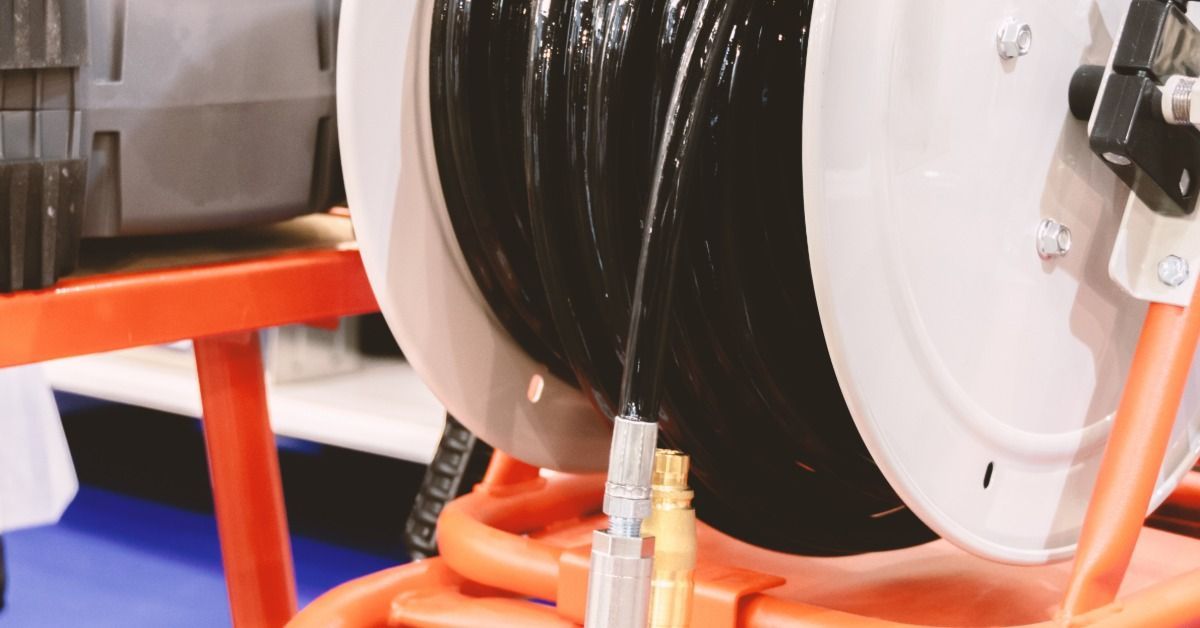
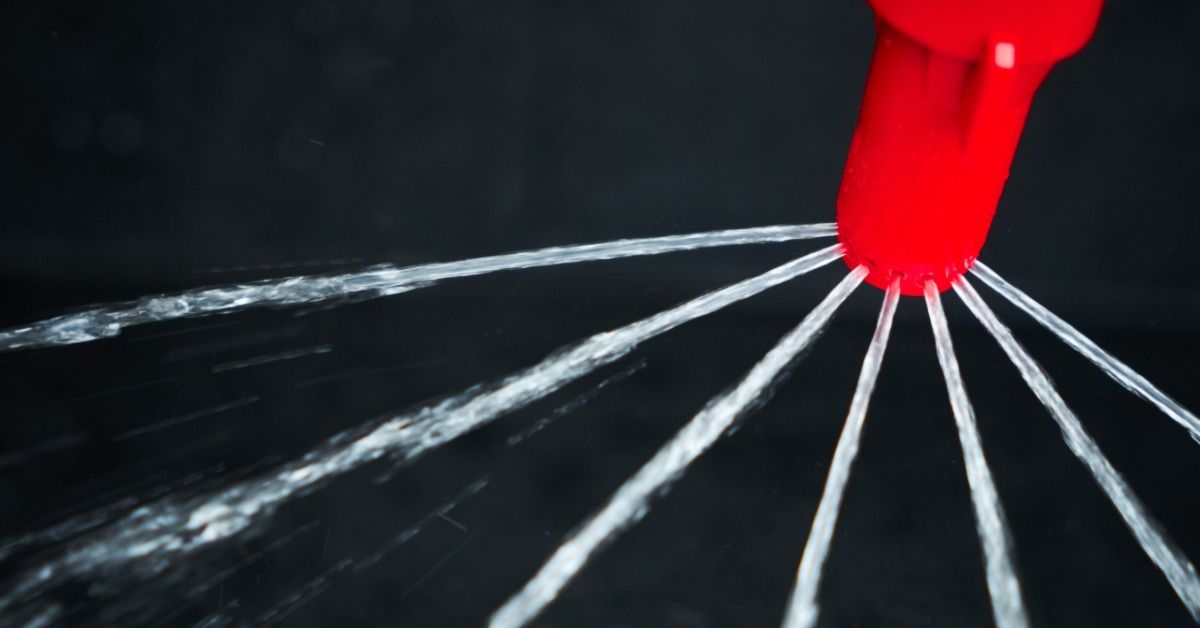
Let’s start with defining the process itself. Hydro jetting is a service performed by a technician in which they feed a specialized nozzle connected to a high-pressure water hose through an access point into the sewer line. As the nozzle moves through the pipe, it sprays water at pressures that can reach several thousand pounds per square inch, and this force scours the interior walls rather than simply punching a hole through whatever is blocking the flow. Because the water reaches every angle of the pipe’s interior, the process restores the line to something close to its original diameter instead of leaving a narrow channel carved through the obstruction.
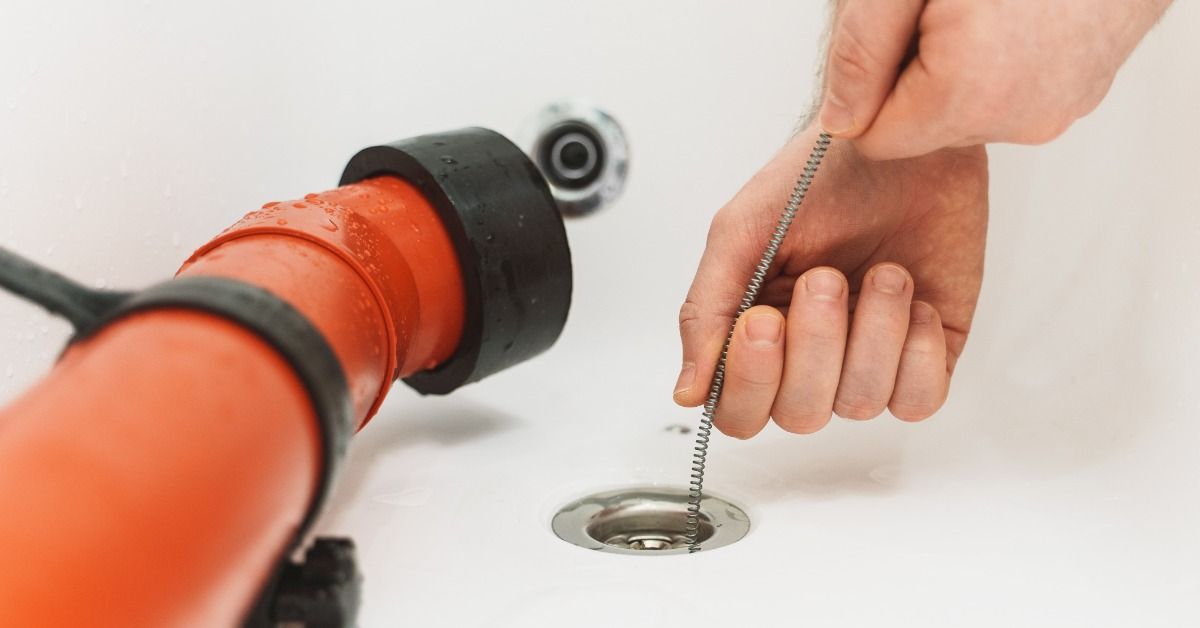
This distinction matters because older methods like mechanical augers, often called snakes, tend to bore through a clog without addressing what’s stuck to the pipe walls around it. A snake might solve the immediate symptom, but it often leaves residue behind that continues to narrow the pipe and sets up the next clog. Hydro jetting clears the entire interior surface, which is part of why many plumbing companies now lead with it when discussing long-term sewer health rather than one-time fixes.
The Buildup That Hydro Jetting Removes
Sewer lines accumulate material gradually rather than all at once. Grease congeals along pipe walls after going down kitchen drains, and over time, it hardens into a coating that traps other debris as it passes by. Tree roots can also find their way into older pipes through small cracks or loose joints, and once inside, they spread and create a web that catches paper products and solid waste.
Outside of that, general mineral deposits can build up from hard water, narrowing the effective width of the pipe even when nothing else seems wrong. Hydro jetting cuts through all of these conditions because the water pressure breaks apart organic buildup and dislodges root intrusion without relying on blades or chemicals that can corrode pipe material over repeated use.
Why Prevention Costs Less Than Reaction
Waiting for a sewer line to fail completely is almost always more expensive than maintaining it on a schedule. A full backup can mean sewage entering a basement, a flooded business floor, or a line that requires excavation to repair. Each of those outcomes incurs cleanup and repair costs, and it often entails lost time, whether that means a family displaced from part of their home or a restaurant unable to operate for a day. Routine hydro jetting interrupts that trajectory early, addressing buildup while it’s still manageable rather than after it has already caused a blockage.
This preventative approach to sewer maintenance through the use of hydro jetting also extends the life of the pipe itself. A line that stays clear experiences less wear from debris scraping its walls as well as fewer high-pressure stress events from clogs forcing water through a narrowed channel. Over years of use, that difference can mean avoiding a full pipe replacement that would otherwise become necessary much sooner.
Hydro Jetting Across Property Types
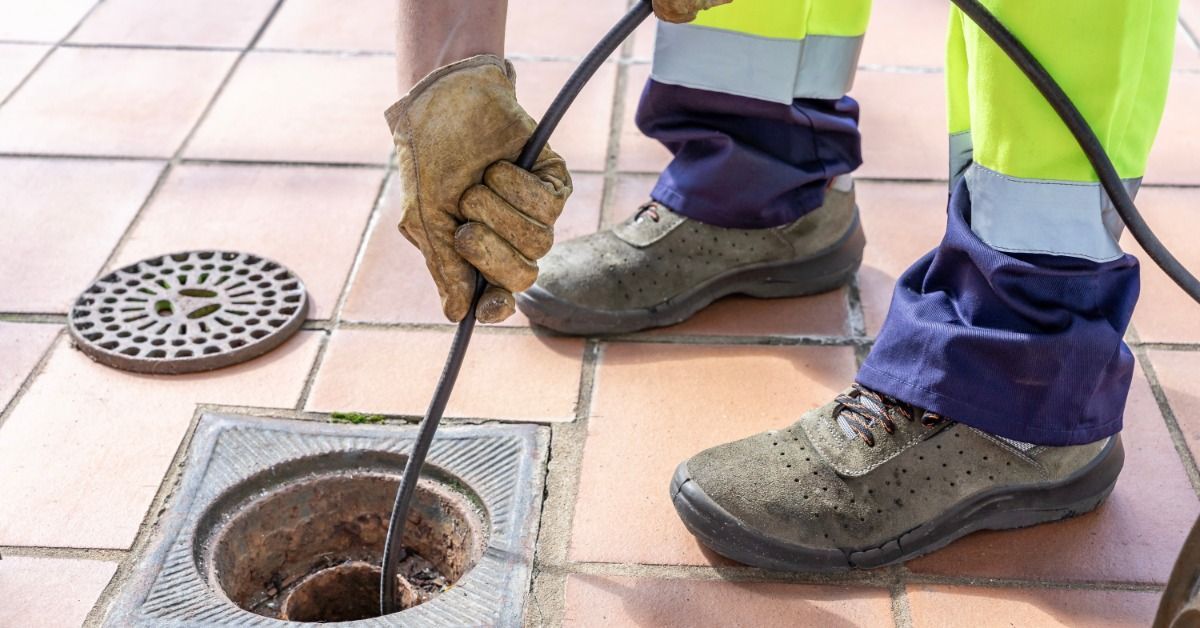
The principles behind hydro jetting apply whether the line in question serves a single-family home or a multi-unit commercial building, though the scale and frequency often differ. A home’s sewer line typically handles waste from a kitchen and a couple of bathrooms, so buildup tends to accumulate at a slower pace.
A restaurant, an apartment complex, or a manufacturing facility pushes far more volume through its lines, and grease traps or food waste can accelerate the rate at which pipes narrow. Commercial properties also tend to face steeper consequences for downtime, since a clogged line can shut down a kitchen or force a building to limit water use until the issue gets resolved.
Because of these differences, many property managers schedule hydro jetting services on a recurring basis rather than waiting for a problem to surface, treating it as part of routine facility upkeep alongside HVAC servicing or fire suppression inspections. Homeowners benefit from a similar mindset, even if the interval between services is longer, since a single jetting session every couple of years can prevent the kind of slow degradation that eventually leads to a costly repair.
Recognizing When a Line Needs Attention
A few warning signs tend to show up before a sewer line fails outright. Drains that empty more slowly than they used to, even after a plunger or basic clog remover, often point to buildup further down the line rather than a simple blockage near the fixture. Gurgling sounds from one drain when another fixture is in use can indicate that air is struggling to escape past an obstruction in the system.
A sewage smell near a floor drain or in a yard above the line is something else to be aware of, as this can signal that waste is sitting where it shouldn’t be able to collect. Any of these signs warrants a camera inspection before scheduling a jetting session, as this will help a technician understand the exact location and nature of the buildup rather than treating the entire line the same way.
Setting a Maintenance Schedule
In the end, it’s important to remember that there’s no single interval that fits every property, but a few factors tend to guide the decision. First off, pipe age plays a role, as older clay or cast-iron lines are more prone to root intrusion and joint separation than modern PVC lines.
Usage volume matters too. This is why commercial kitchens and multi-family buildings often schedule jetting annually, while a typical single-family home might go several years between sessions. A property with a history of tree root problems or chronic slow drains usually benefits from a tighter schedule until the underlying issue has been fully addressed.
Working with a licensed plumber to establish that schedule, rather than guessing at it, tends to produce better long-term results. A professional can factor in pipe material, local soil conditions, and the specific usage patterns of the property to build a maintenance plan that fits how the line is actually used, rather than applying a generic timetable.
That tailored approach is what makes hydro jetting such a reliable part of a broader maintenance strategy. That’s because it treats the pipe as a system that needs ongoing care rather than a problem to be solved only when it announces itself.
You might also like
Blog